Wooden Sculptures: Art Meets Nature
Meet the eight iconic sculptures scattered throughout the park. Each one has a story—we share the artists, materials, and what makes them special.

Where Art Takes Root
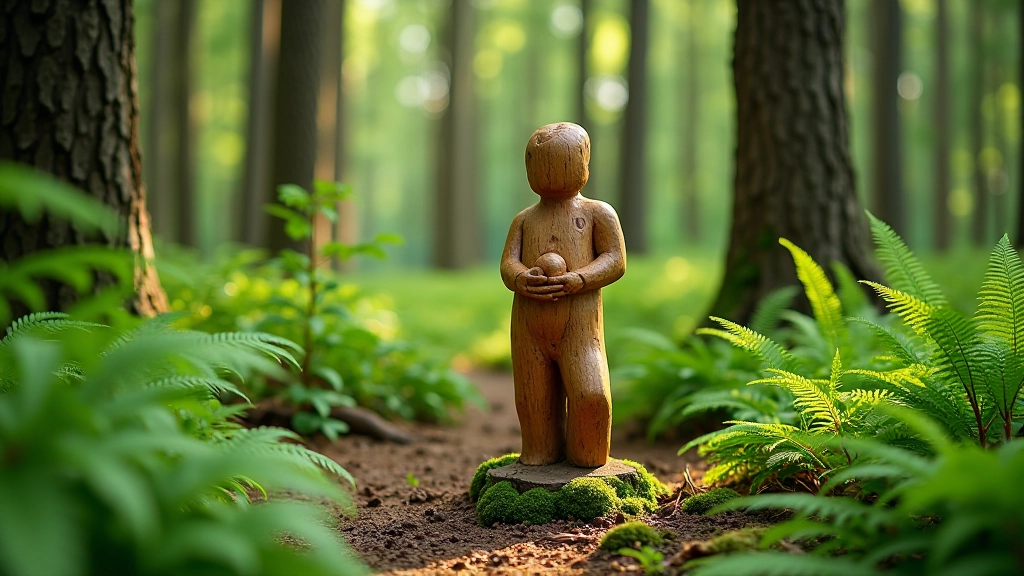
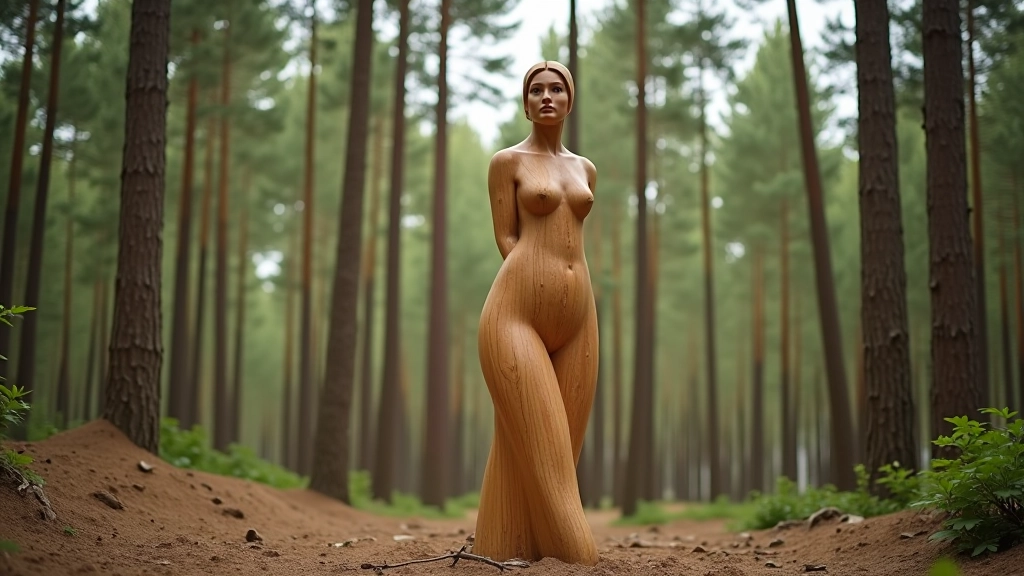
Tērverte Pine Forest isn't just a nature reserve. It's also a gallery without walls. Eight wooden sculptures—some towering, some intimate—sit among the pines, spruce, and ancient oaks. They're not placed here by accident. Each piece was created by Latvian artists specifically for this space, carved from fallen timber or wood salvaged during forest management.
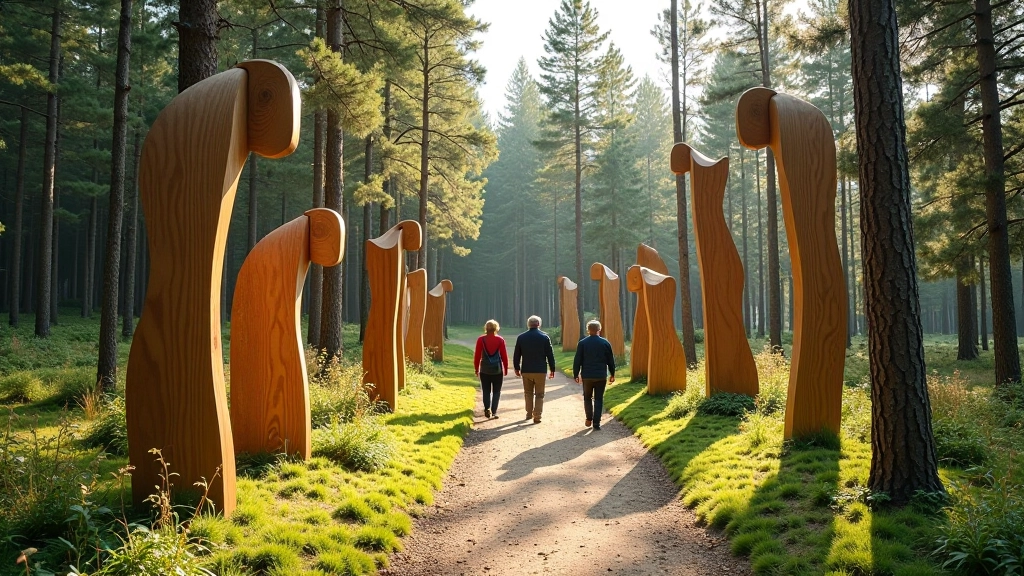
You won't find plaques explaining every detail. That's intentional. The sculptures are meant to surprise you as you walk the trails—sometimes you'll spot one from 50 meters away, other times you'll nearly trip over it. The forest is their frame, and the light filtering through the canopy changes how they look from season to season.
The Sculptures You'll Actually Find
We're not going to pretend all eight sculptures are equally accessible. Some sit right along the main paths. Others require a bit of detour. But here's the good news—none of them are impossible to reach, even if you're moving slowly or using walking poles.
The tallest piece stands about 4 meters high. It's abstract—faces emerging from the grain, or maybe just the wood speaking for itself, depending on how you look at it. Carved by Jānis Pelēcis in 2019, it's become the unofficial symbol of the park. You'll see it from the northern trail entrance almost immediately.
Then there's the series of five smaller pieces scattered across the eastern loop. These were completed over 2021-2022 by a collective of three artists working together. Each one relates to a specific tree species you'll find nearby—a kind of wooden conversation between the sculpture and its surroundings. The oak-inspired piece has deep, flowing lines. The spruce-inspired one is more angular, almost defiant.
Materials and Methods
Most of the wood used comes from trees that had to be removed anyway. Storm damage, disease, age—the forest management team documents which trees need to go, and then the artists work with what's available. This means you're not seeing sculptures made from virgin timber. It's more like giving fallen trees a second life.
The artists use traditional hand tools for most of the carving—chisels, gouges, saws. One sculptor mentioned in an interview that she refuses power tools for the detail work because "the wood tells you where it wants to go." The larger pieces took months. The smaller ones, sometimes just weeks, but that's intensive, focused weeks.
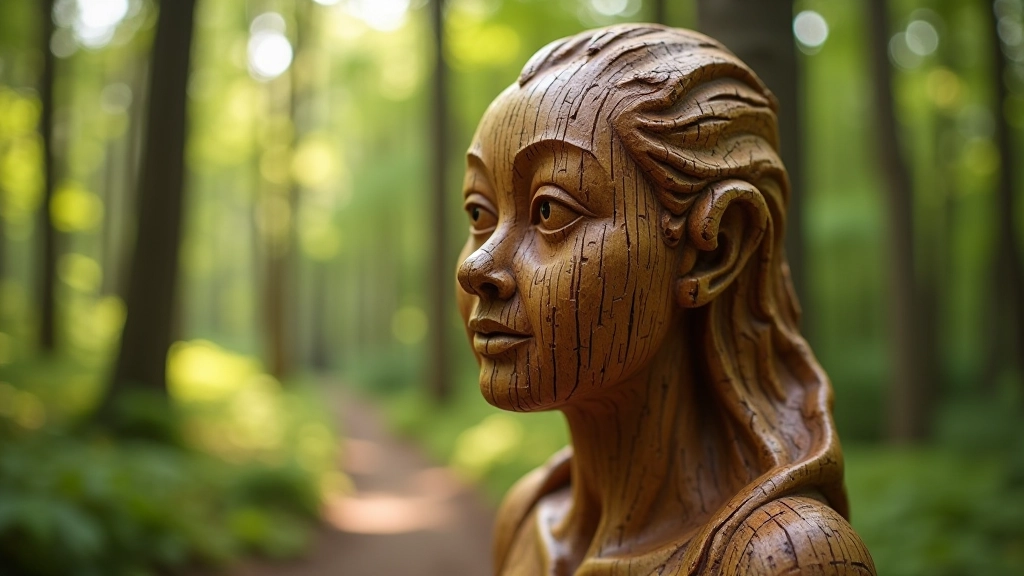
Weather protection is minimal by design. These sculptures are meant to age. The wood grays, cracks develop, moss grows in the grooves. After five or six years, they look completely different from when they were installed. Some people find this disappointing—they want to see the "original." But others think that's the whole point. The sculptures are part of the forest's timeline now, not separate from it.
What Makes Them Worth Seeking Out
Artist Stories
Each sculpture comes with a documented artist biography. You can find these online or at the visitor center—names, backgrounds, what inspired them to create for the park.
Natural Integration
Unlike sculptures in urban parks, these pieces don't fight the environment. Lichens grow on them. Birds nest nearby. They're genuinely part of the ecosystem.
Photography Gold
The interplay of light, wood grain, and forest background creates naturally stunning compositions. You don't need special skills—just show up at different times of day.
Trail Connection
The sculptures aren't scattered randomly. They're positioned to connect the main walking routes, giving you natural waypoints and reasons to explore different sections.
Planning Your Sculpture Hunt
If you're planning to visit specifically to see the sculptures, you'll want to allow about 3-4 hours. That gives you time to walk the main loops at a comfortable pace without rushing. If you're moving more slowly—which is absolutely fine—budget 4-5 hours.
The visitor center has a map showing sculpture locations. It's not a treasure hunt; the locations are marked clearly. What they don't tell you are the best angles, lighting conditions, or which pieces look best in which season. That's something you'll discover yourself. Spring light is sharp and green-filtered. Summer's harsh midday sun creates dramatic shadows. Autumn backlight makes the sculptures almost glow. Winter—if you're visiting then—shows the raw wood structure most clearly.
Wear comfortable shoes. The paths are well-maintained, but they're forest paths, not sidewalks. Bring a camera if you're into photography, but honestly, your phone will capture the essence just fine. And don't rush. The sculptures reward lingering. Sit on one of the benches near a piece and just observe how the light changes over twenty minutes.
More Than Decoration
The wooden sculptures at Tērverte aren't there to prove that humans can improve nature. They're there because artists saw the forest and wanted to contribute something meaningful to it. They're conversation starters—between the sculpture and the landscape, between you and the piece, between your eyes and your imagination.
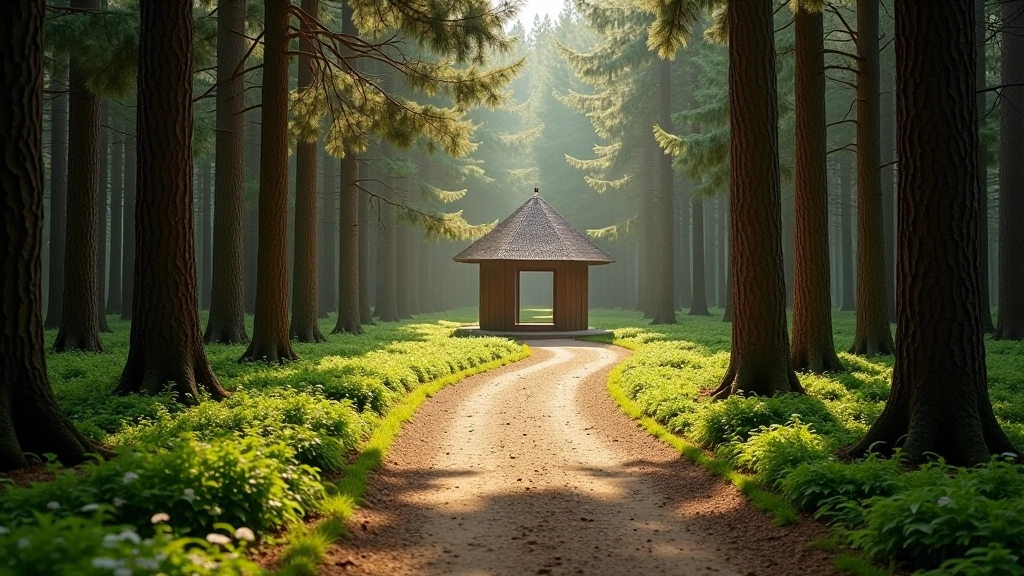
Most visitors don't come specifically for the sculptures. They come for the walks, the fresh air, the escape from routines. And then they round a corner and there's a piece of carved wood that stops them cold. That moment of surprise—that's what makes these sculptures work. They're not commanding your attention. They're just... there. Present. Aging. Growing into the forest the same way the trees do.
Next time you're walking these trails, don't just pass them by. Spend a moment. Look at the details. Notice how the wood has changed since the last visitor was here. Maybe you'll understand why a dendroecologist and a visual artist both consider this forest something worth protecting.
Disclaimer: This article is educational and informational in nature. Details about artists, materials, and installation dates are based on park documentation and interviews available as of June 2026. Sculpture conditions, accessibility, and park features may change seasonally or due to maintenance. For current trail conditions, specific accessibility accommodations, or artist information, please contact the Tērverte Pine Forest visitor center directly. Walking any forest trail carries inherent natural risks—always follow posted safety guidelines and check weather conditions before visiting.
Continue Exploring