
Walking the Trails: Tips for Retirees
We're not going to pretend there aren't some real things to think about. Pacing, rest stops, footwear—practical advice that actually helps.

Why Trail Walking Works for Retirees
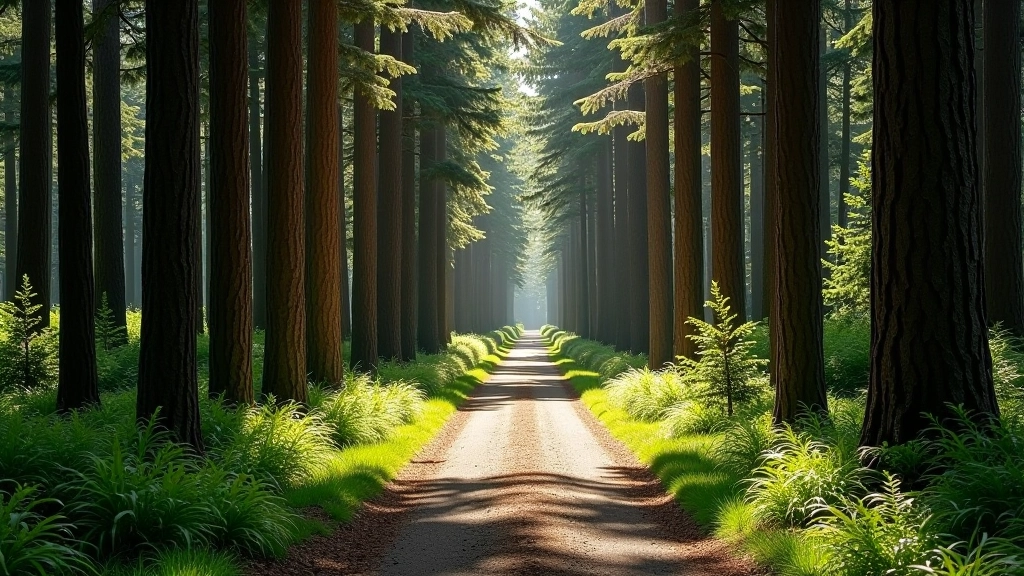
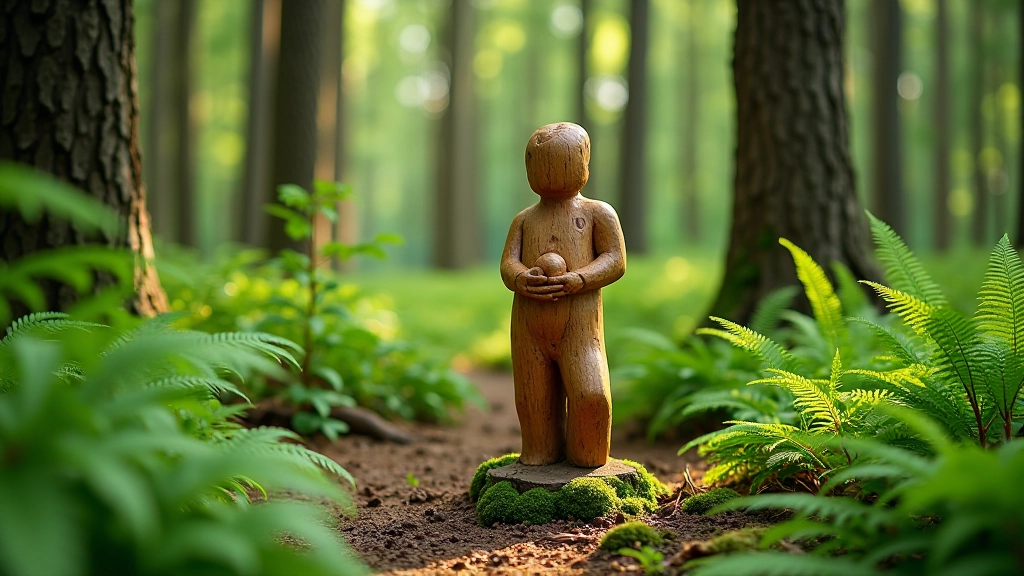
Walking forest trails isn't just exercise—it's a way to stay connected to something bigger. The Tērverte Pine Forest offers gentle paths through rare old-growth pine, sculptures to discover, and the kind of peace you don't find in everyday life.
But let's be honest. There's a difference between a weekend stroll and spending a morning navigating forest terrain. Your knees know it. Your feet know it. The good news? With a bit of planning, you'll walk further than you thought possible—and enjoy every step.
Start With the Right Footwear
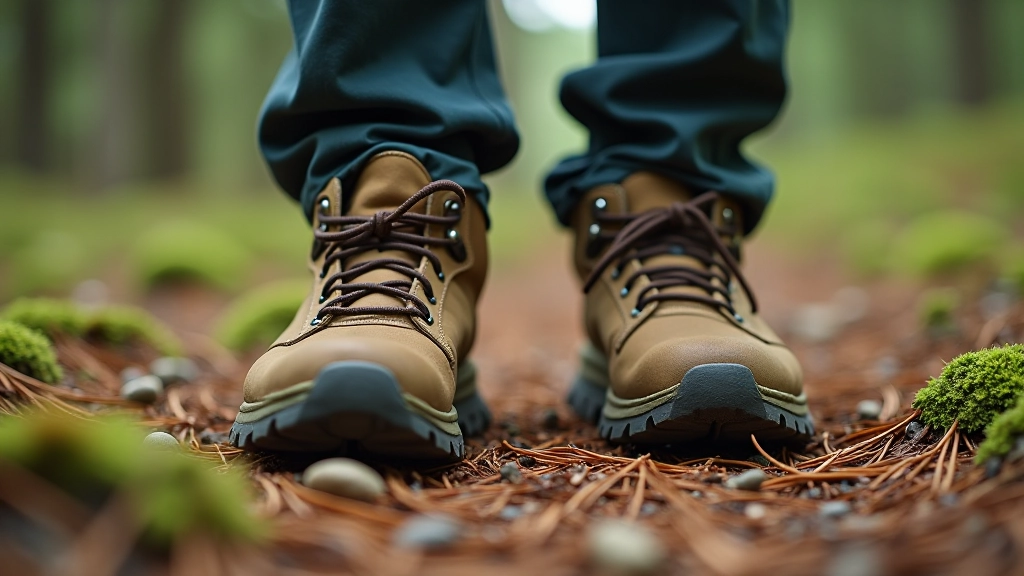
Your shoes make or break the entire experience. Don't grab whatever's in the closet—actually, don't. We've seen too many people cut walks short because their feet hurt.
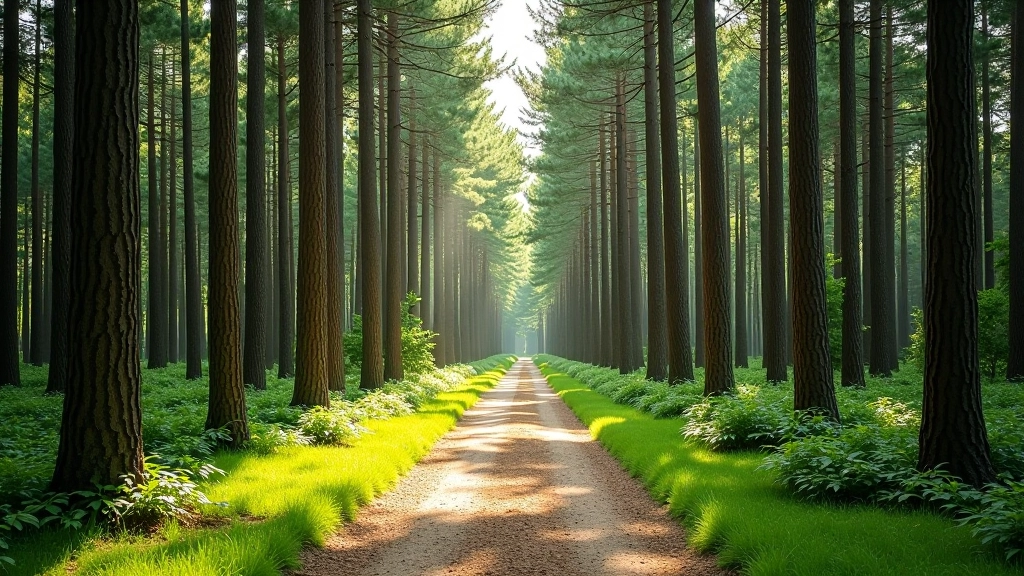
Look for hiking shoes with proper ankle support and a firm sole. The trails at Tērverte aren't rocky nightmares, but they're not paved either. You'll encounter roots, uneven ground, and the occasional muddy patch. A good shoe keeps your ankles stable and your joints protected.
Break them in before you hit the trail. Wear them around the house for a few days, take a short walk. Your feet will thank you when you're 3 kilometers in.
- Waterproof leather or synthetic uppers
- Cushioned insoles (or bring your own orthotics)
- Good grip on the sole for wet forest floors
- Not too heavy—you're walking for hours, not climbing mountains

Pace Yourself—Seriously
Here's the biggest mistake we see: people trying to keep up with younger walkers. You're not racing. You're not even walking. You're wandering through one of the most beautiful pine forests in the Baltics.
Aim for 3 to 4 kilometers per outing. That's roughly 45 minutes to an hour depending on terrain. The main loop at Tērverte works perfectly for this. It's not long enough to exhaust you, but long enough to feel like you've actually done something.
Walk slower than you think you need to. If you can hold a conversation without getting breathless, you're at the right pace. Your heart will thank you. Your knees will definitely thank you.
Pro tip: Walk with a friend. It naturally slows you down and makes the whole thing more enjoyable. Plus you've got company if something goes wrong.
Rest Stops Aren't Cheating
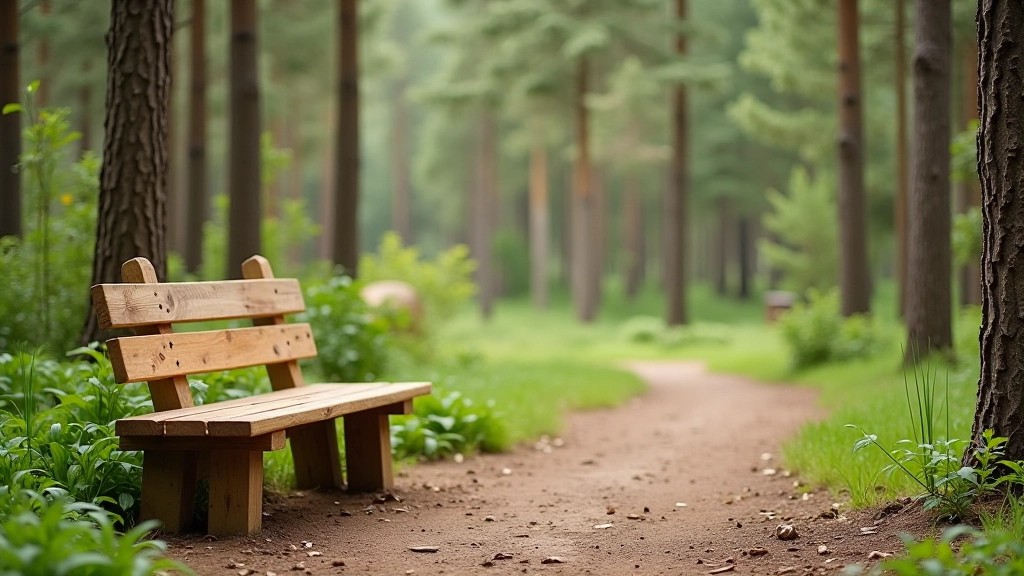
Build in breaks. Every 20 to 30 minutes, sit down. Really sit—find a bench, a rock, or a nice spot under the pines and rest for 5 to 10 minutes. Your legs need recovery time. Your knees need it. Your mind needs it too.
Tērverte has several benches scattered along the trails, placed exactly where they should be—near interesting points where you'd want to stop anyway. There's a bench near the wooden sculptures (perfect for catching your breath while you admire the art), and another near the clearing with views across the forest.
Bring water. A small backpack with a liter bottle is enough. You're not climbing Everest—you're having a morning walk. But dehydration sneaks up, and you'll feel it before you realize what's happening.
Choose Your Weather Wisely
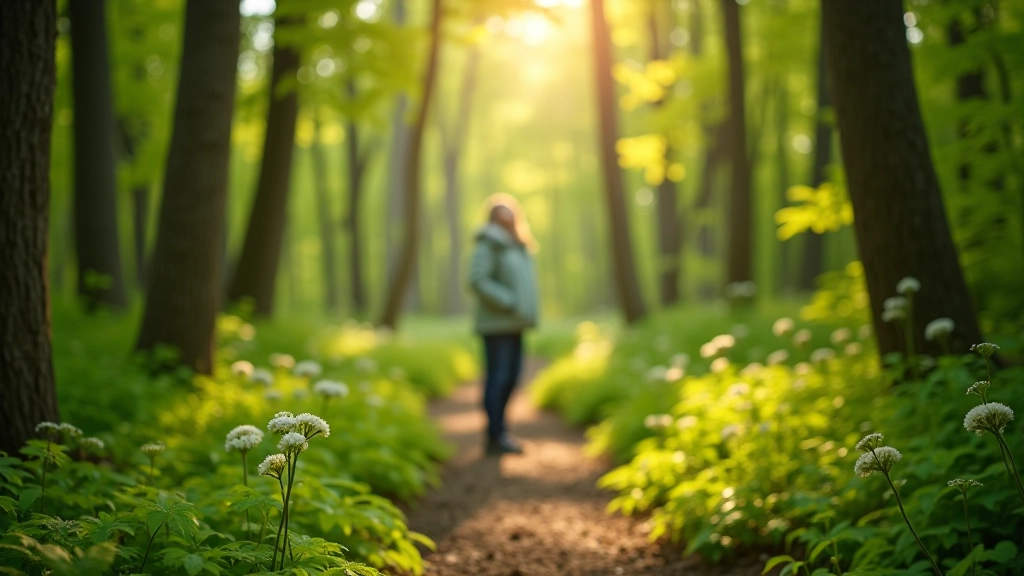
Early morning is best. The forest is quieter, it's cooler, and you won't be fighting afternoon heat. Go between 8 and 10 AM. You'll be done by lunchtime and have the rest of the day ahead.
Avoid walking after heavy rain. The paths get muddy, roots become slippery, and the whole experience becomes harder on your joints. Wait a day or two for the forest to dry out. It's not going anywhere.
Spring and early autumn are ideal. Summer can get warm under the pine canopy, and winter demands proper gear. But spring—April through May—is when Tērverte really shines. The forest is waking up, wildflowers are blooming, and the temperature is perfect for steady walking.
Get Out There
Walking the Tērverte trails isn't complicated. It's not expensive. It doesn't require special training. It just requires you to show up with proper shoes, a realistic pace, and time to actually enjoy what you're seeing.
Start with one walk. Pick a morning when the weather looks decent. Lace up those hiking shoes. Walk slow. Stop when you need to. Look at the sculptures. Listen to the birds. Feel the forest floor under your feet.
You'll be surprised how far you can go when you're not in a hurry.
Explore More Trail GuidesImportant Note
This article is informational and educational in nature. Trail conditions, weather, and individual fitness levels vary. Before beginning any new physical activity, consult with your healthcare provider, especially if you have existing joint problems, heart conditions, or mobility concerns. The Tērverte Pine Forest trails are public natural areas—always follow posted signs, stay on marked paths, and be aware of your surroundings. Walking in nature carries inherent risks including uneven terrain, wildlife encounters, and weather changes. You assume full responsibility for your own safety.