Best Times to Visit Tērverte Pine Forest
Spring blooms, summer shade, and autumn colors each offer something different. We break down what to expect in each season and what to pack.

Timing Your Visit
The Tērverte Pine Forest doesn't look the same twice. That's what makes it special. Spring brings wildflowers you won't see anywhere else. Summer gives you dense shade and a cooler temperature that feels like stepping into another world. Autumn paints everything gold and red. Winter's quiet, but the trails get slippery.
We're not going to tell you there's a "best" time — that depends on what you're looking for. But we can tell you what to expect in each season. Real conditions, real things to pack, real tips from people who've walked these trails hundreds of times.
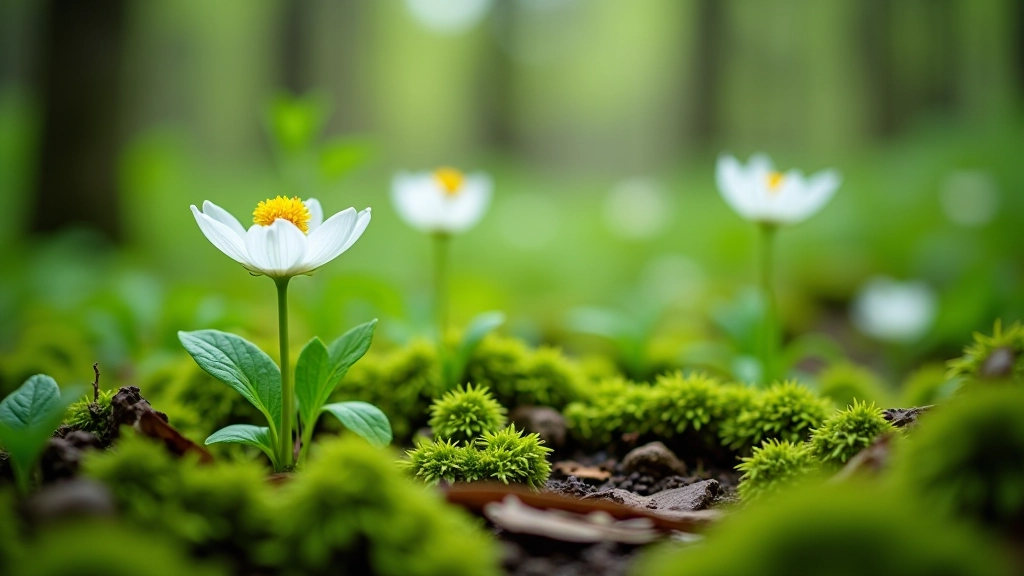
Spring: May to Early June
Temperatures sit around 12-16°C, which sounds cold until you're moving. The ground's still damp from snowmelt, but the trails dry quickly thanks to the sandy soil. You'll see wood anemones, wild orchids, and — if you're lucky — lady's slipper orchids in protected clearings.
The trails fill up on weekends. Locals come out in May because the light changes early and stays longer. You're done hiking by 8 PM in June, which is wild compared to March. Most people bring a light rain jacket and layers. The forest's still opening up — branches aren't fully leafed yet, so you can see further into the woods than you will in July.
Temperature Range
12-16°C
Daylight Hours
14-17 hours
Trail Difficulty
Moderate (wet paths)
Summer: June to August
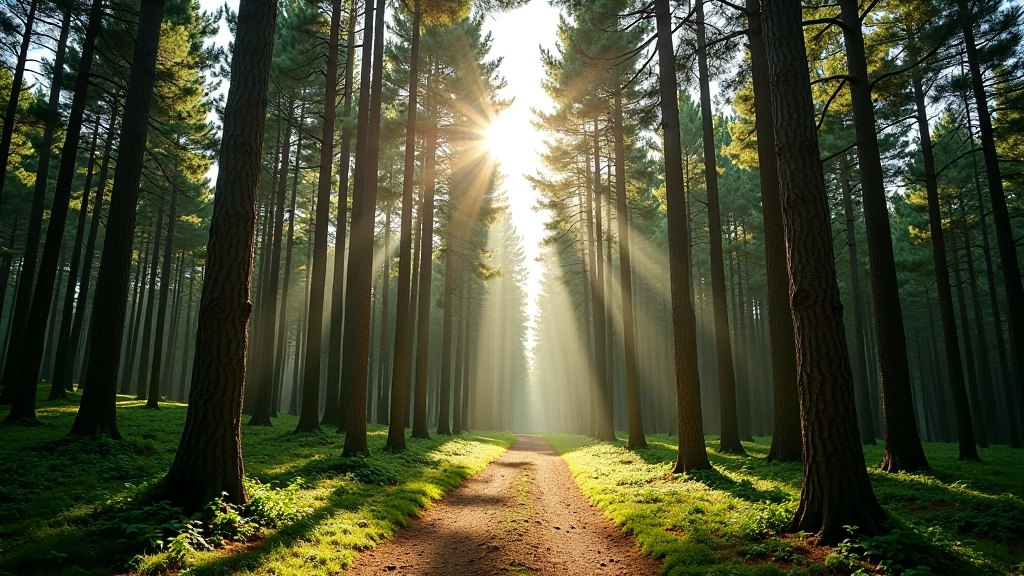
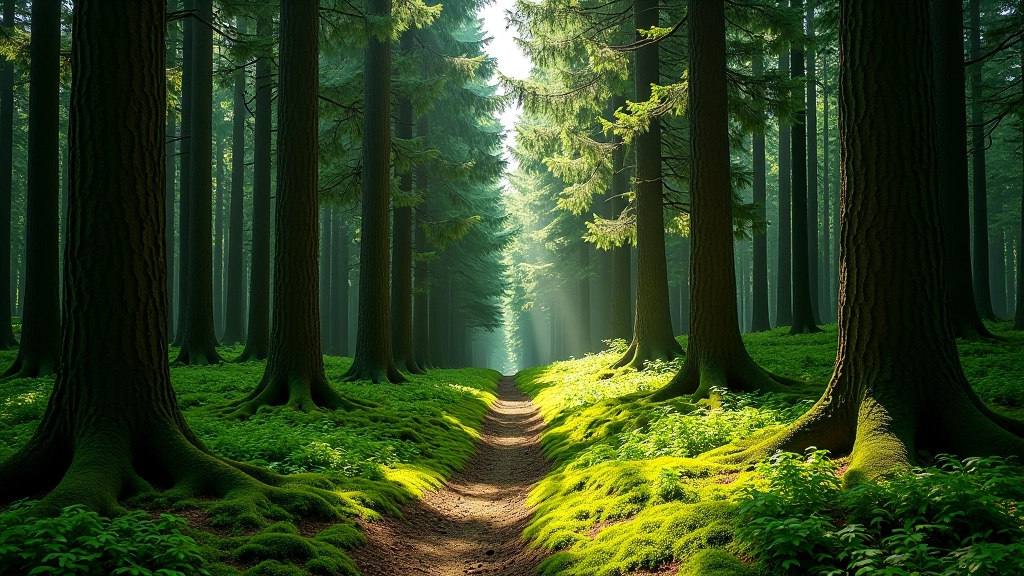
The forest becomes a different place. Temperatures climb to 18-22°C, but under the canopy it's cooler — maybe 5-8°C less than outside the forest. The humidity is real. You'll sweat less than you think because the shade and airflow keep things manageable.
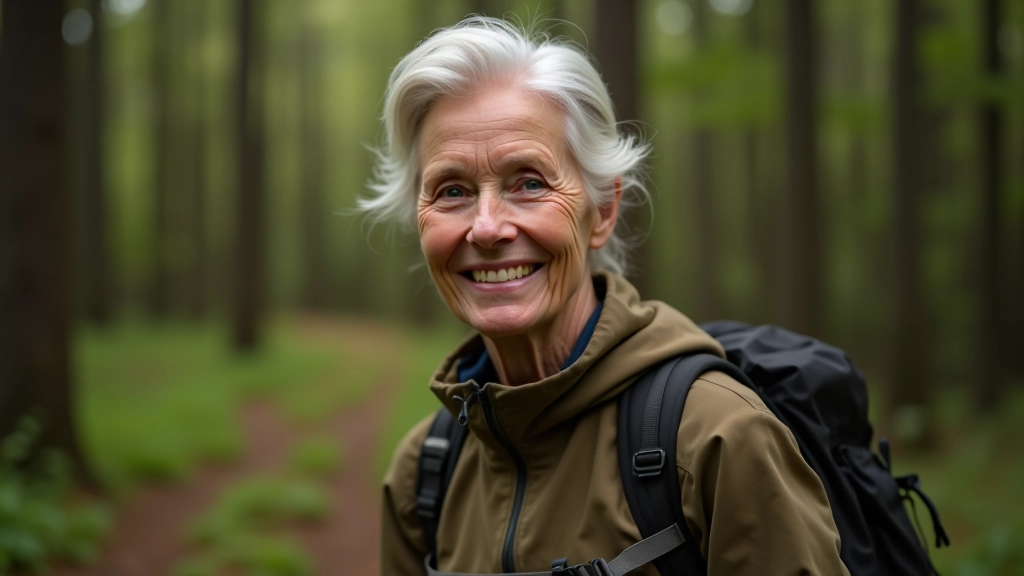
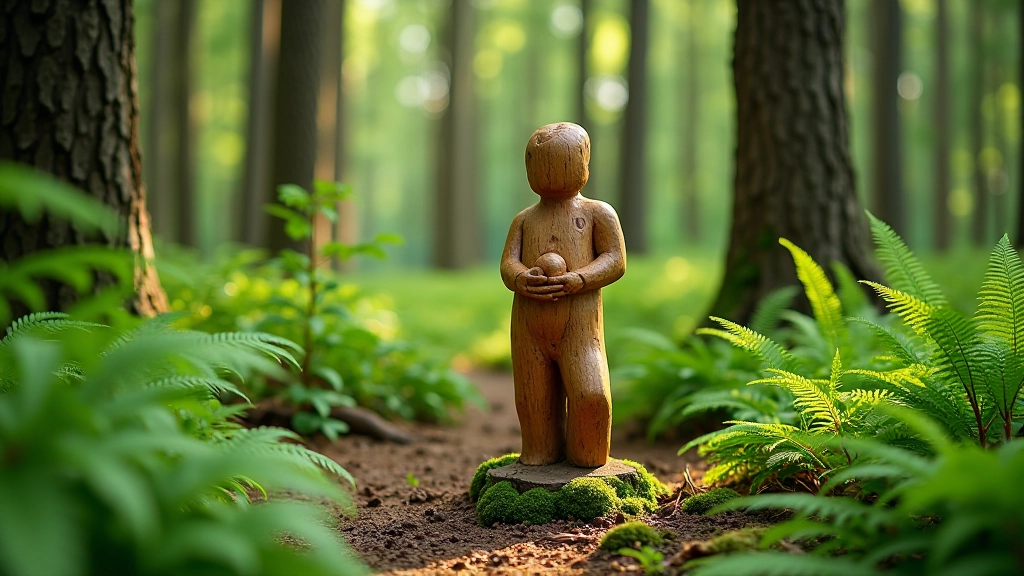
Trails are packed in July. Retirees come early (6-7 AM start time) to beat the afternoon crowds. The wooden sculptures scattered throughout are easier to spot when it's brighter. Bring water — not just a bottle, but enough for the full walk. Two liters minimum. Mosquitoes are present but not overwhelming if you keep moving. Standing water near the stream areas is where they congregate.
This is when the park feels most alive. Mushrooms pop up after rain. Birds are nesting, so you'll hear more than you see. The long daylight (17-18 hours) means you can hike from 5 AM to 10 PM if you want.
Autumn: September to October
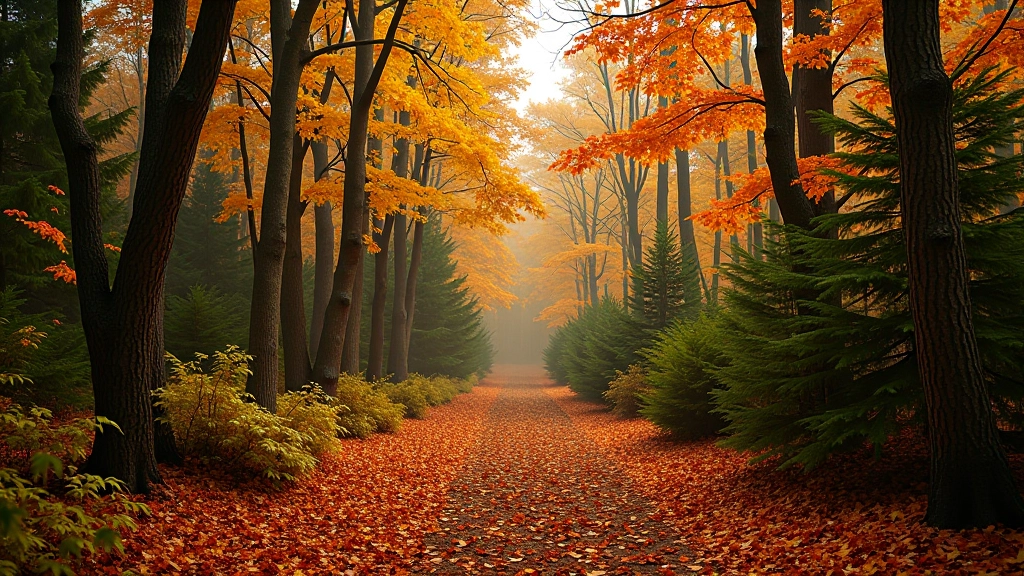
This is when people who know the forest come back. Temperatures drop to 8-14°C. The light changes in a way that's hard to describe — golden, but not warm. Everything turns color at once. One week the forest is green. Two weeks later it's rust and gold.
September is perfect. The summer crowds leave. School's back in session. Trails are manageable but still interesting. By October, leaves start falling and the ground becomes a carpet of needles and deciduous leaves — softer to walk on, honestly more comfortable than spring mud.
Wear layers. Mornings can be 5°C, afternoons might hit 15°C. The wooden sculptures stand out beautifully against the changing forest. Photography gets serious in autumn — the light is softer, less harsh than summer. Bring a good camera or just your phone.
What to Bring in Autumn
- Waterproof jacket (rain is common)
- Layers (mornings are cold, afternoons warm up)
- Good footwear with grip (leaves hide roots)
- Headlamp or flashlight (sunset is around 6 PM by late October)
- Water bottle (still important, often overlooked in cool weather)
Practical Tips for Any Season
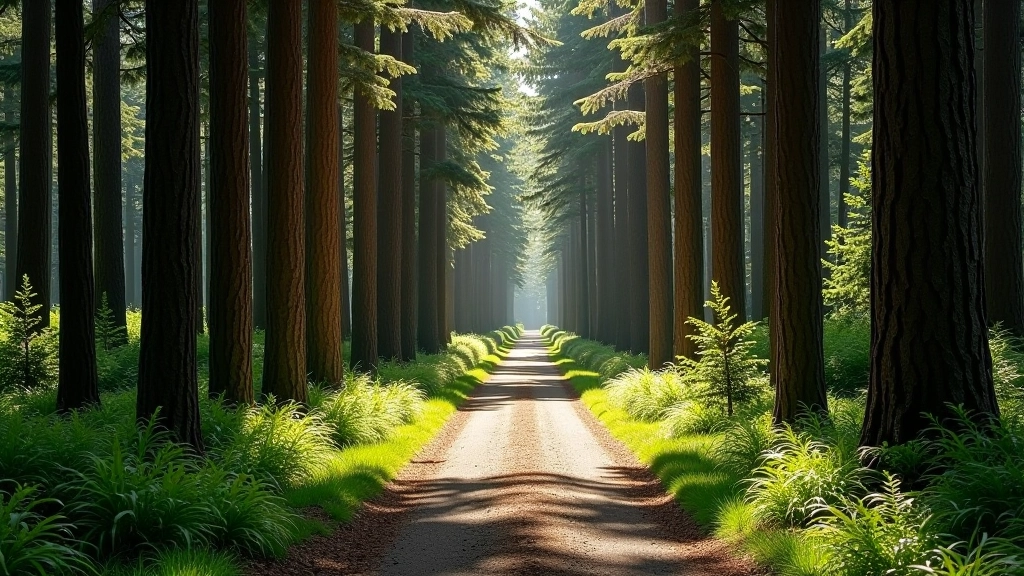
Regardless of when you go, a few things stay true. The trails aren't complicated — you won't get lost. The park is well-marked with signs every 100-150 meters. But conditions change based on weather, not just season.
Footwear Matters
Trail runners or hiking boots with good ankle support work best. The sandy soil drains quickly but roots hide under leaves. You'll roll an ankle faster on dry pine needles than on mud.
Water and Hydration
Two liters minimum, even in cooler months. You'll walk 8-12 kilometers depending on which trails you choose. Dehydration sneaks up when it's cool and you're not thinking about thirst.
Sunscreen and Insects
Spring and autumn: less of an issue. Summer: use sunscreen on exposed areas even under the canopy. Bug spray helps but isn't essential if you keep moving and avoid standing water.
Start Early
Trails are quietest before 9 AM. You'll see more wildlife. The light is better for photos. And you'll be done before the day heats up or cools down.
Maps and Navigation
The main trails are well-marked, but grab a printed map from the visitor center. Phone battery dies, paper maps don't. You won't need it 99% of the time, but that 1% matters.
Know Your Limits
The longest loop is about 12 kilometers. Shorter paths (4-6 km) exist. Don't feel pressured to do the full circuit. A good walk beats a forced march every time.
The Bottom Line
There's no bad time to visit Tērverte Pine Forest. Spring gives you wildflowers and extended daylight. Summer offers shade and escape from heat. Autumn brings color and fewer crowds. Winter's for people who want quiet and solitude.
The forest changes every season. That's what makes it worth returning to. Pick a season that fits what you're looking for, bring the right gear, and go. You'll understand why people come back year after year.
Disclaimer
This article provides general information about visiting Tērverte Pine Forest across different seasons. Weather conditions vary annually, and individual experiences may differ based on specific dates, weather patterns, and personal fitness levels. Always check current conditions with the park visitor center before planning your visit. This information is educational in nature and isn't a substitute for professional guidance from park rangers or local tourism offices.
Related Articles