Tree Identification: What You'll See
Pine, spruce, oak, and more. Quick visual guide to the 45+ species in the park. Includes bark patterns, leaf shapes, and how to tell them apart.

Why Learn to Identify Trees?
Walking through Tērverte doesn't just mean moving from point A to point B. It's an opportunity to understand what you're looking at. When you can name a tree, spot the difference between a Scots pine and a spruce, notice how bark changes with age—suddenly the forest becomes a living classroom instead of just green scenery.
We've put together this guide because most people want to know what they're seeing. You'll spot some trees immediately. Others will take a closer look. That's fine. Even experienced botanists have to pause sometimes and check the needles or the bark. The point isn't to become an expert in one walk—it's to notice more than you did before.
In This Park You'll Find
- 12 pine species variations
- 8 spruce and fir types
- 7 oak and deciduous species
- 18+ other native trees
- Rare botanical specimens
Pine Trees: The Park's Foundation
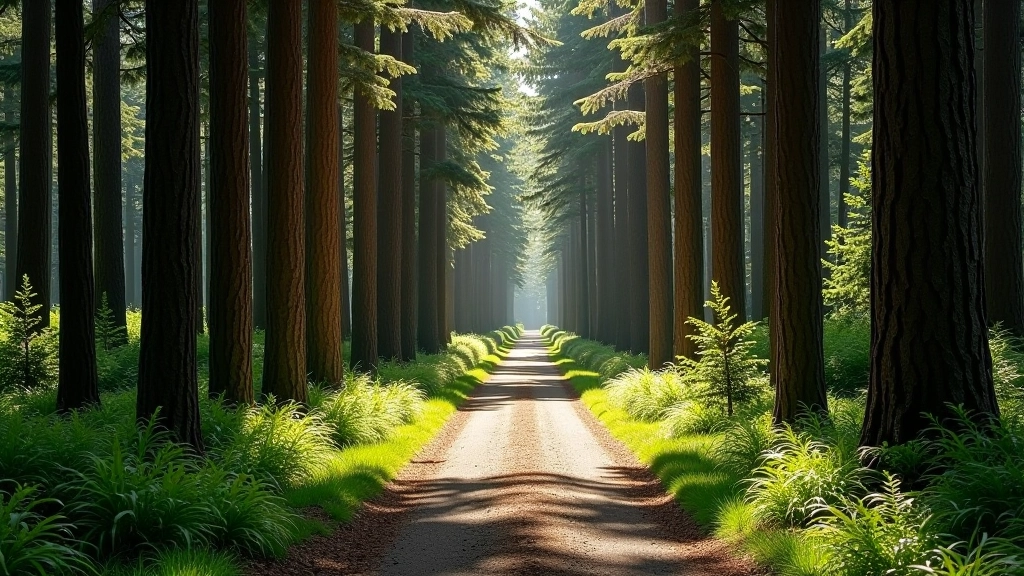
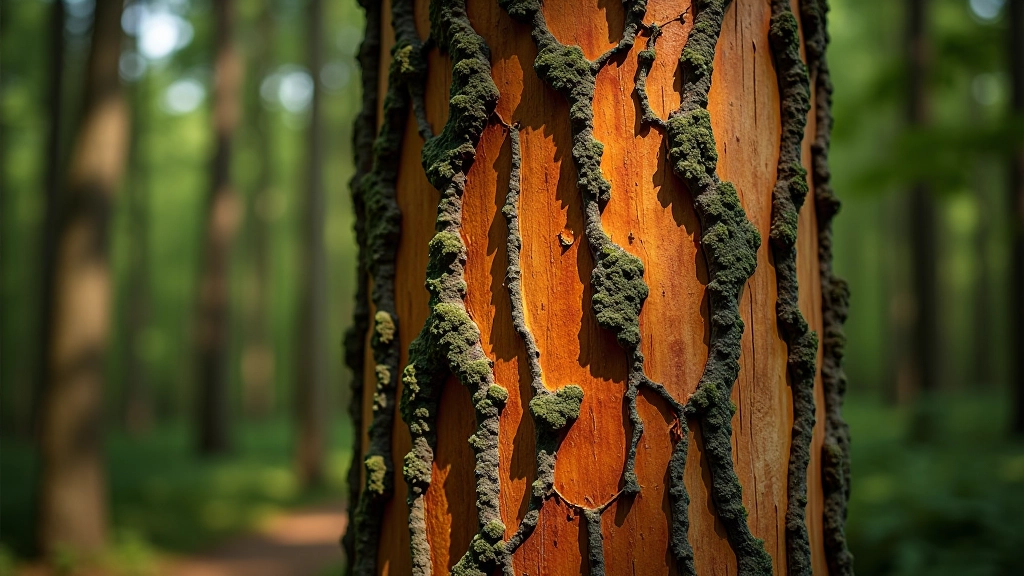
Scots pine dominates Tērverte. You'll know it by its distinctive reddish-orange bark on the upper trunk—that's the easiest way to spot it. The bark on younger pines is grayish-brown, but it doesn't develop that warm color until the tree is about 20-30 years old. Needles come in pairs, and they're a blue-green color, about 4-7 centimeters long.
Look closely at a pine's shape. They're tall and straight, with the lower branches dying off as the tree grows. On older specimens in the park, you might see thick trunks with bare lower sections and dense foliage at the top. That's a healthy, mature pine. The cones are small and gray-brown—you'll find plenty of them on the forest floor, especially in autumn.
There's also the mountain pine, which you can tell immediately because it doesn't grow as tall. It's bushier, more spreading. Needles are darker, and the whole tree looks more compact. If you see a pine that looks stunted or spreading horizontally along the ground, that's likely a mountain pine adapted to harsh conditions.
Spruce and Fir: The Elegant Conifers
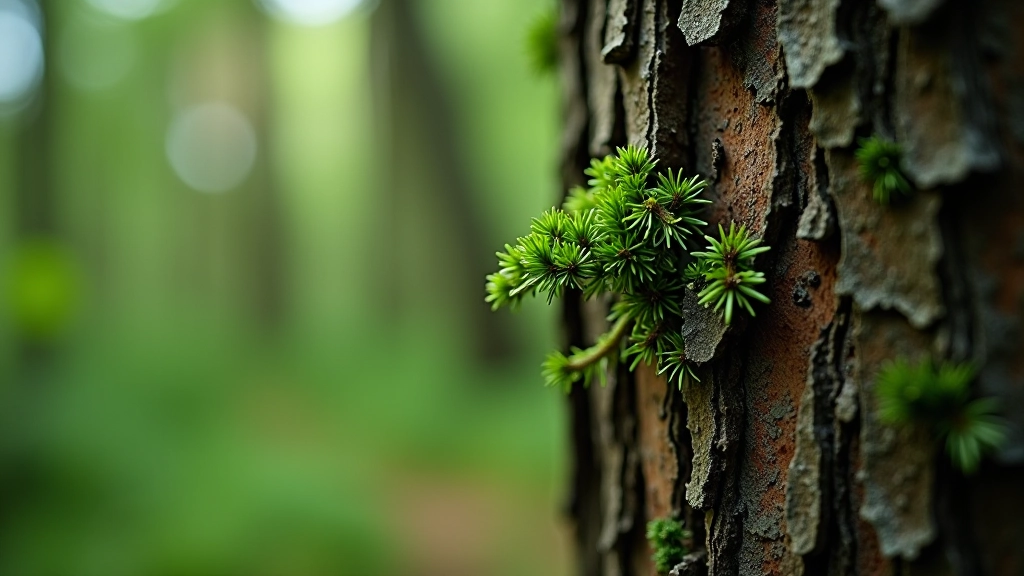
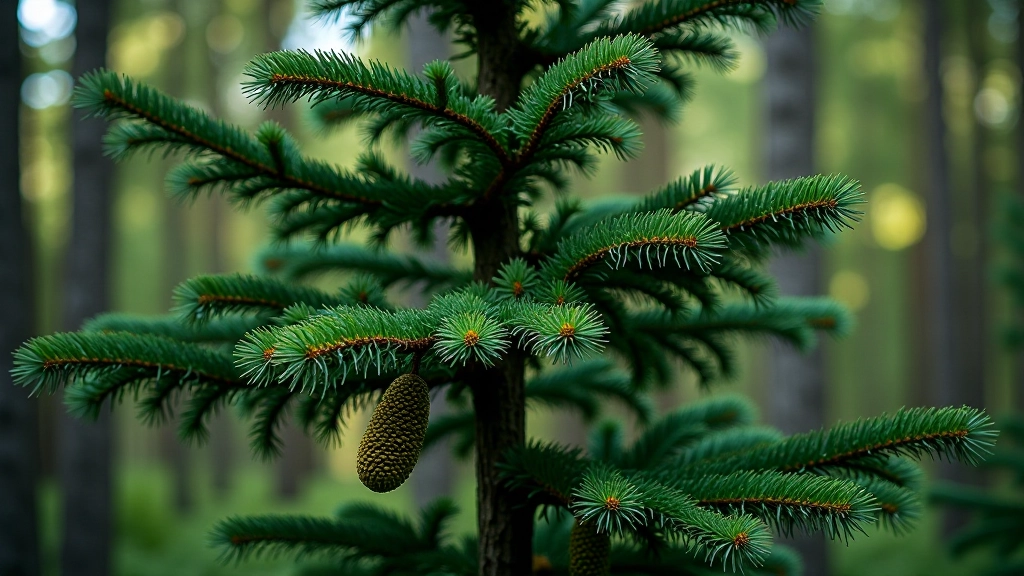
Spruce trees are everywhere in the park. Here's the quickest way to tell them from pines: squeeze a needle between your fingers. If it hurts and feels square-ish, that's spruce. Pine needles are flat. Spruce needles are four-sided. Also, spruce needles are attached individually all around the twig, whereas pine needles come in bundles.
Norway spruce is the most common. It's pyramidal, very symmetrical, with dense branching right down to the ground on younger trees. The bark is grayish-brown and relatively smooth. Cones hang downward—you'll see them dangling from branches. They're distinctive: large, brown, with thin papery scales. In summer, look for the red female cones before they mature to brown.
Firs are less common but worth knowing. The easiest way to tell firs from spruces: fir cones stand upright on branches instead of hanging down. Also, fir needles are softer, flatter, and arranged more neatly in two rows beneath the twig. The silver fir you might encounter has silvery undersides to its needles—stunning when the light hits them right.
Deciduous Trees: The Seasonal Show
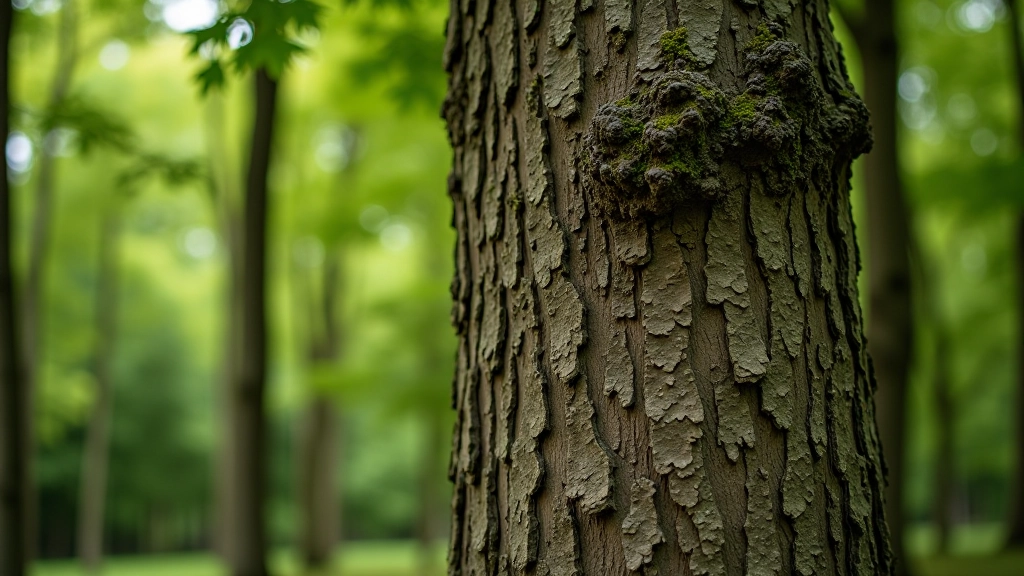
Oak trees stand out because they're sturdy and substantial. You'll notice their thick, gnarled bark immediately. Oak bark is deeply furrowed, almost like cracked leather. Leaves are distinctive: lobed, with rounded indentations. No other common tree in the park has that shape. In autumn, they turn a beautiful russet-brown color and hang on the tree for weeks after other trees have dropped their leaves.
Birch is recognizable by its papery white bark that peels in thin strips. Young birches have smooth white bark; older ones develop darker patches. Leaves are small, triangular, with a saw-tooth edge. They turn golden yellow in autumn—striking against the white bark. Birch twigs are thin and somewhat drooping, giving the tree a graceful appearance.
Aspen and alder are also present. Aspen has smooth, greenish-white bark and round leaves that quiver in the slightest breeze—hence the trembling effect. Alder has darker, rougher bark and sticky buds in winter. Both prefer moist areas. You'll find them near water features in the park.
Practical Identification Tips
You don't need to memorize everything. Here's what actually matters when you're walking through the park:
Start with Bark
Before looking at needles or leaves, step back and look at the bark. Pine has that warm orange-red color. Spruce is grayish. Birch is white. Oak is deeply furrowed. This alone tells you what family the tree belongs to.
Needles or Leaves
Pick up a twig if you can. Are the needles flat (pine) or four-sided (spruce)? Are leaves lobed (oak) or simple and triangular (birch)? Texture matters—smooth versus rough, flexible versus rigid.
Shape and Structure
Step back. Is it tall and narrow (typical conifers) or spreading and broad (typical deciduous)? Does it have a central trunk or multiple stems? Younger trees look different from mature trees of the same species.
Cones and Seeds
On the ground you'll find cones, seeds, and seed pods. Pine cones look different from spruce cones. Oak acorns are distinctive. These reproductive parts are reliable identification features.
Location and Company
What other trees are nearby? Is it in a moist area or drier ground? Some trees prefer specific conditions. If you find one oak, look around—oaks often grow together. Same with birch and aspen.
Season Matters
In winter, you can't use leaves. Look at buds instead. In spring, young foliage is often a different color. In autumn, fall colors help identify trees. Visit the same tree in different seasons—you'll learn faster.
Quick Reference: What to Look For
The truth is, you'll get better at identification just by walking the park multiple times. Each visit, you'll notice something new. A tree that was just "green" on your first walk becomes a specific species on your third. That's how it works for everyone—even professionals.
Bring a small notebook if you like. Sketch a needle shape, note the bark color, record where you found it. Take photos of interesting specimens. The more senses and methods you engage, the faster your brain learns to categorize what you're seeing.
Don't get frustrated if you can't identify everything immediately. That's not the point. The point is to slow down, look more carefully, and appreciate the complexity of what's growing around you. That's where the real value of the park lies—not in having all the answers, but in asking better questions.
Take Your Time and Look Close
The 45+ species in Tērverte represent centuries of forest ecology and some deliberate planting decisions. Each one has adapted to its specific location. The pines on the sandy areas, the birches in wetter zones, the oaks standing tall in the mixed sections—they're all telling a story about the land.
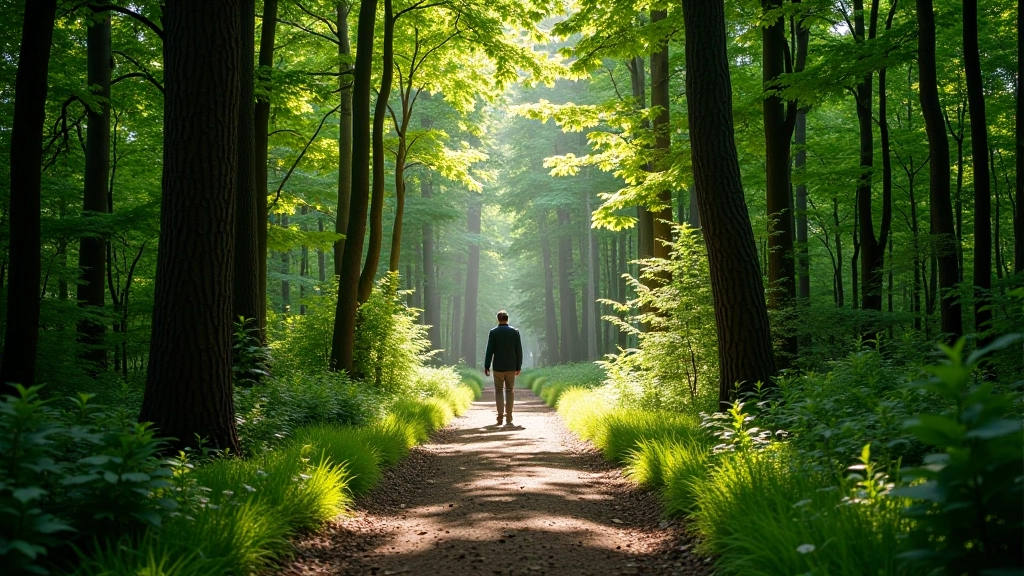
You don't need to memorize botanical Latin names or carry a field guide (though it doesn't hurt). What you need is curiosity and patience. Stop at a tree that catches your eye. Look at the bark. Feel the needles or leaves. Check for cones or seeds. Ask yourself what family it belongs to. Most of the time, you'll figure it out through careful observation.
The park is designed for people to slow down and notice. Tree identification is just one way to do that. It transforms a walk into an adventure of discovery. And that's exactly what Tērverte offers—if you're willing to look a little closer.
About This Guide
This guide provides general botanical information for educational purposes. Tree identification relies on visual characteristics and can vary based on season, growth conditions, and individual variation. For detailed scientific classification or specific botanical research, consult professional dendrology resources or local forestry experts. When visiting Tērverte, follow park guidelines and respect all vegetation and wildlife.